PLACES TO VISIT
AT
IDUKKI
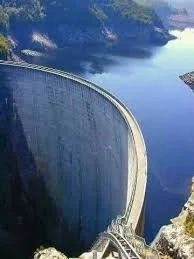
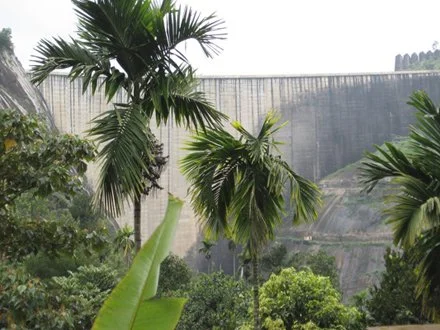
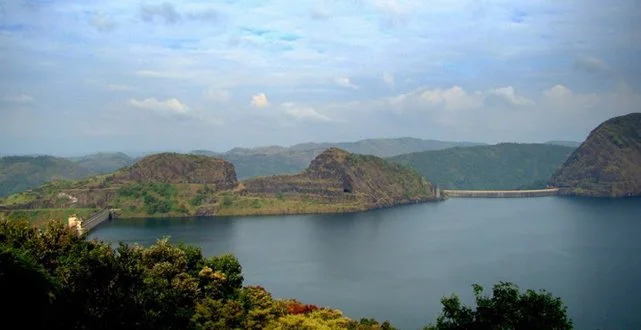
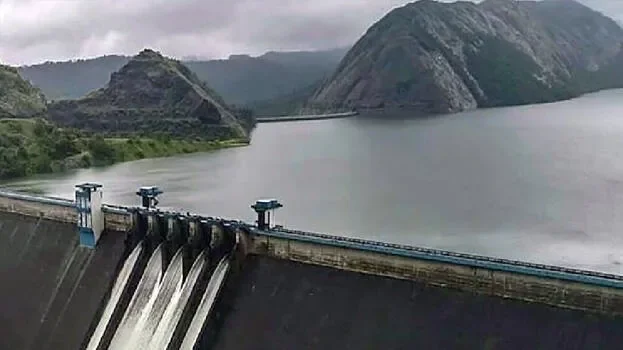
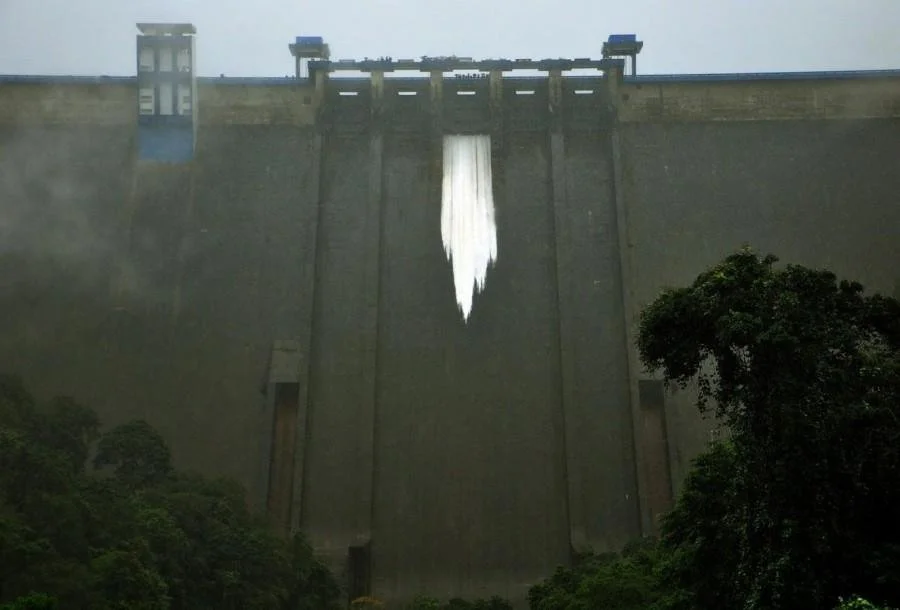
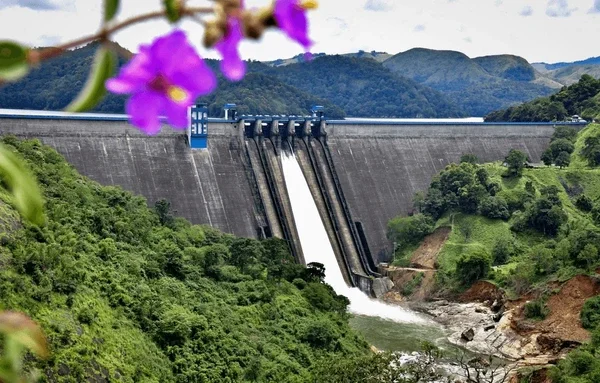
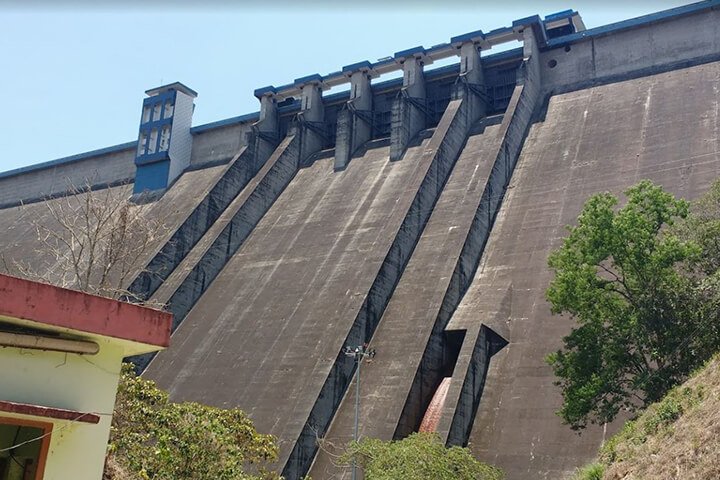
CHERUTHONI DAM

IDUKKI WILDLIFE SANCTUARY
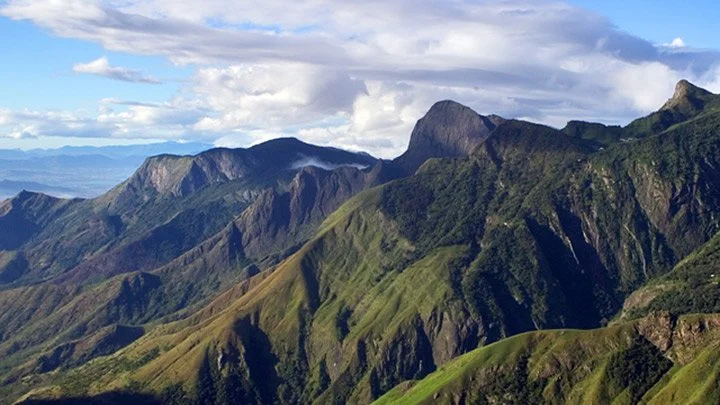
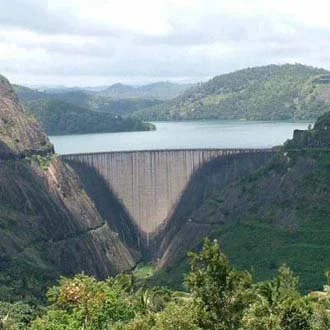
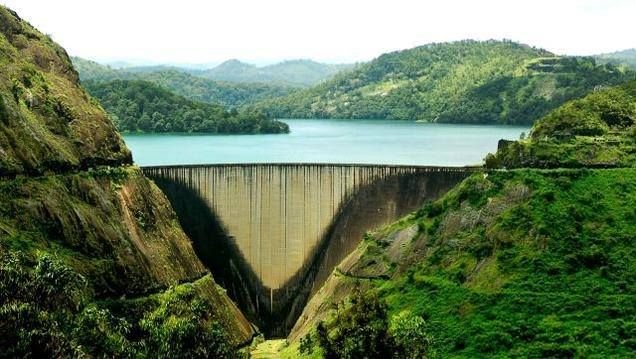
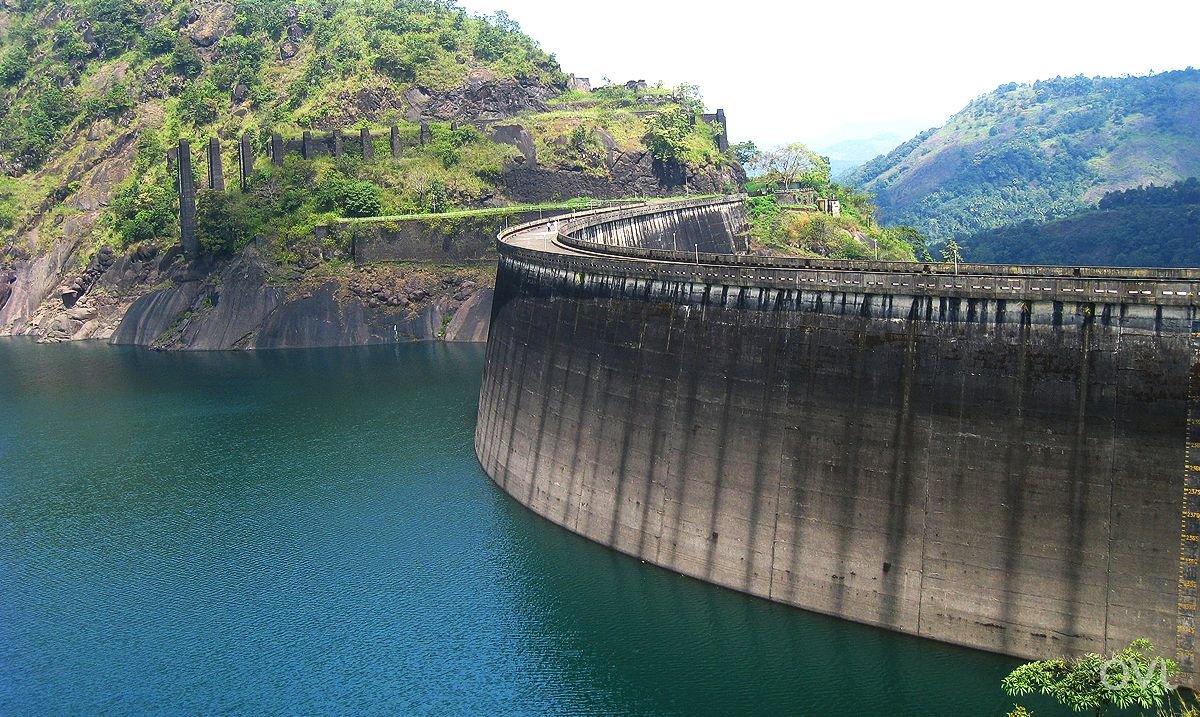
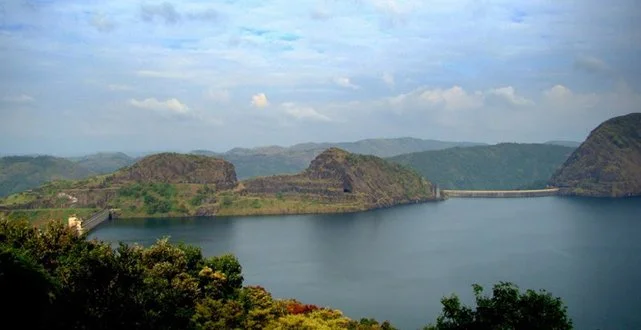
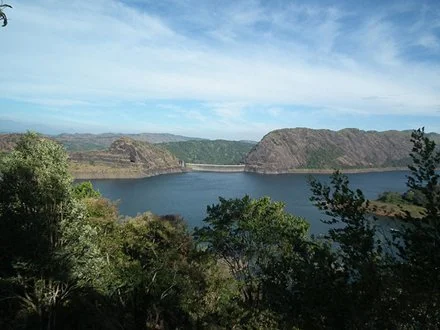
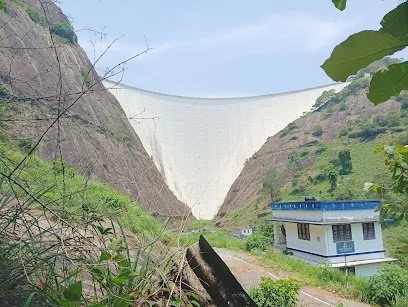
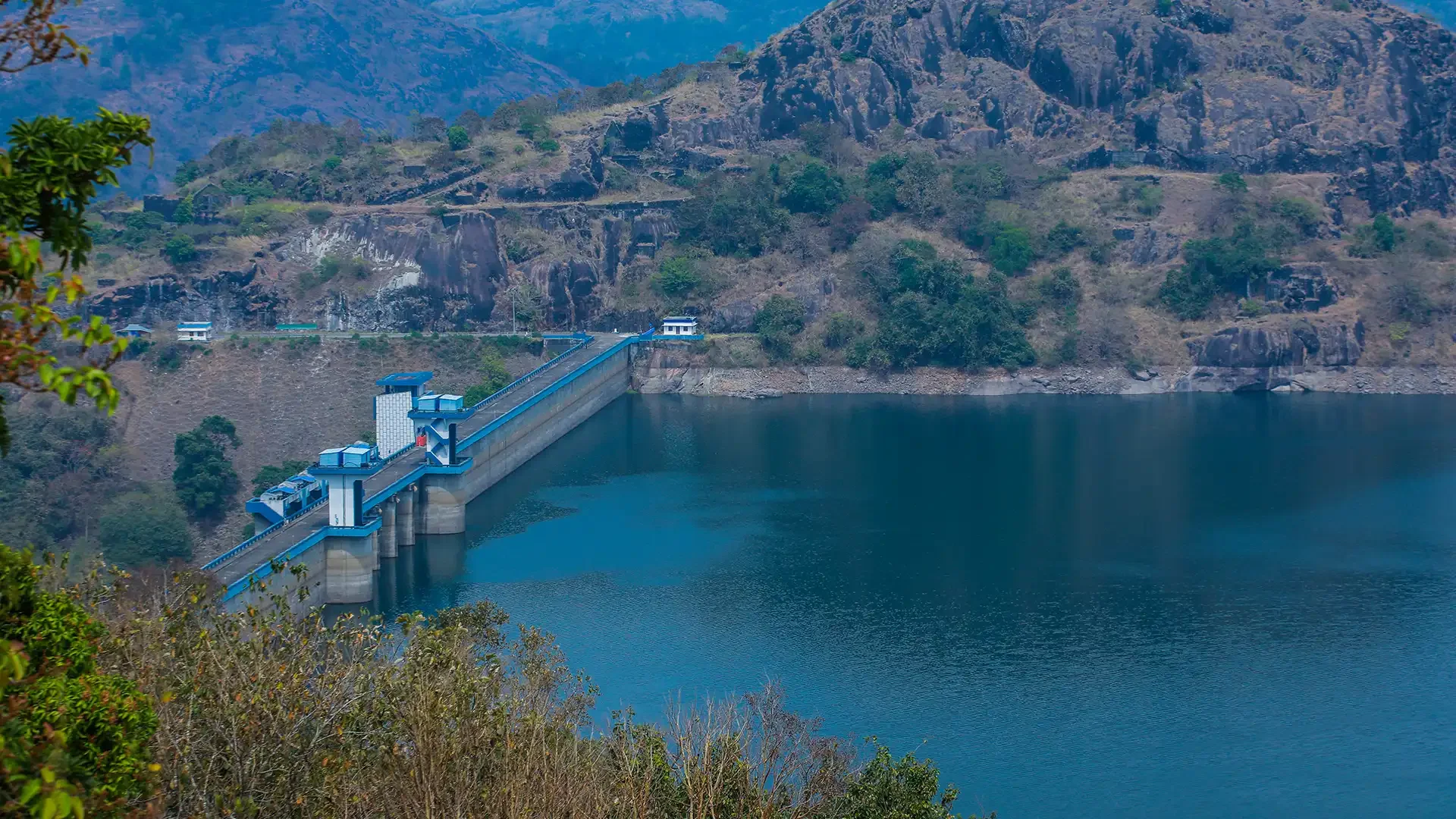
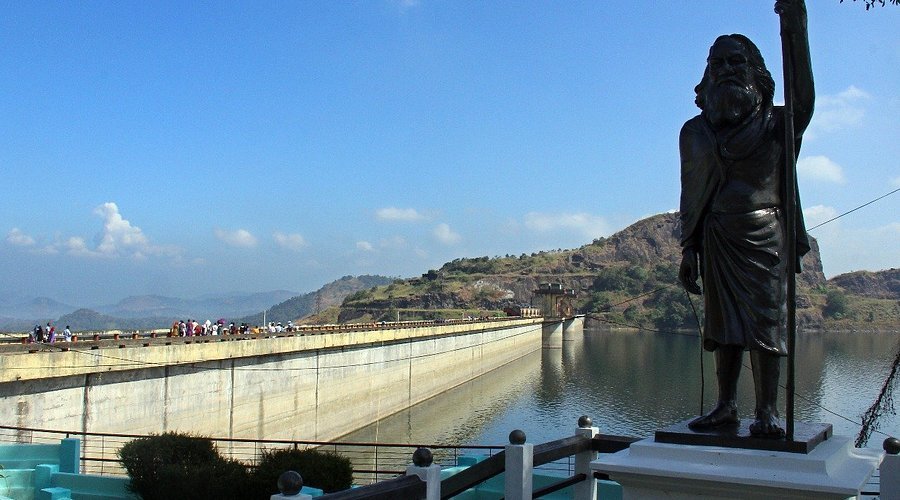
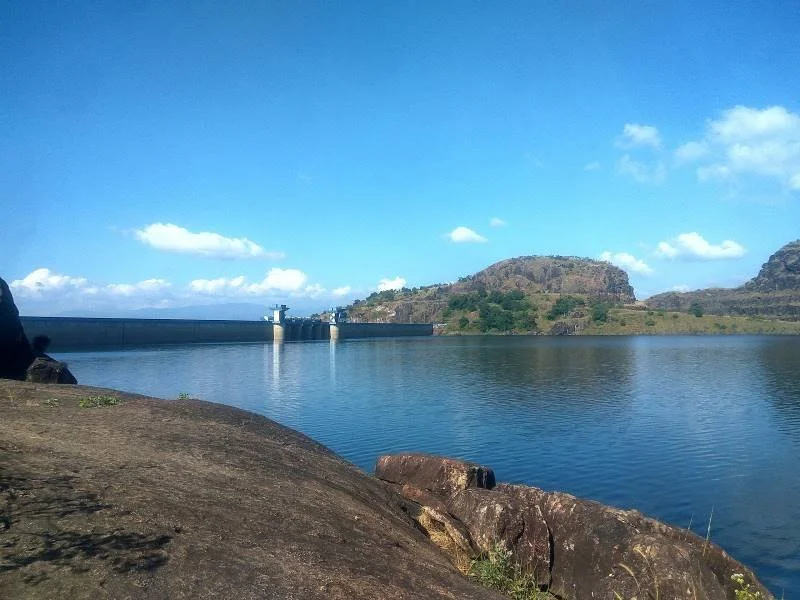
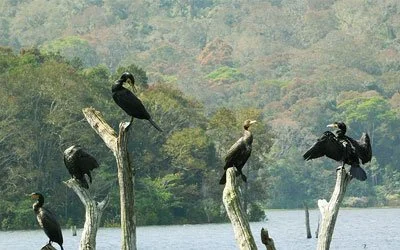
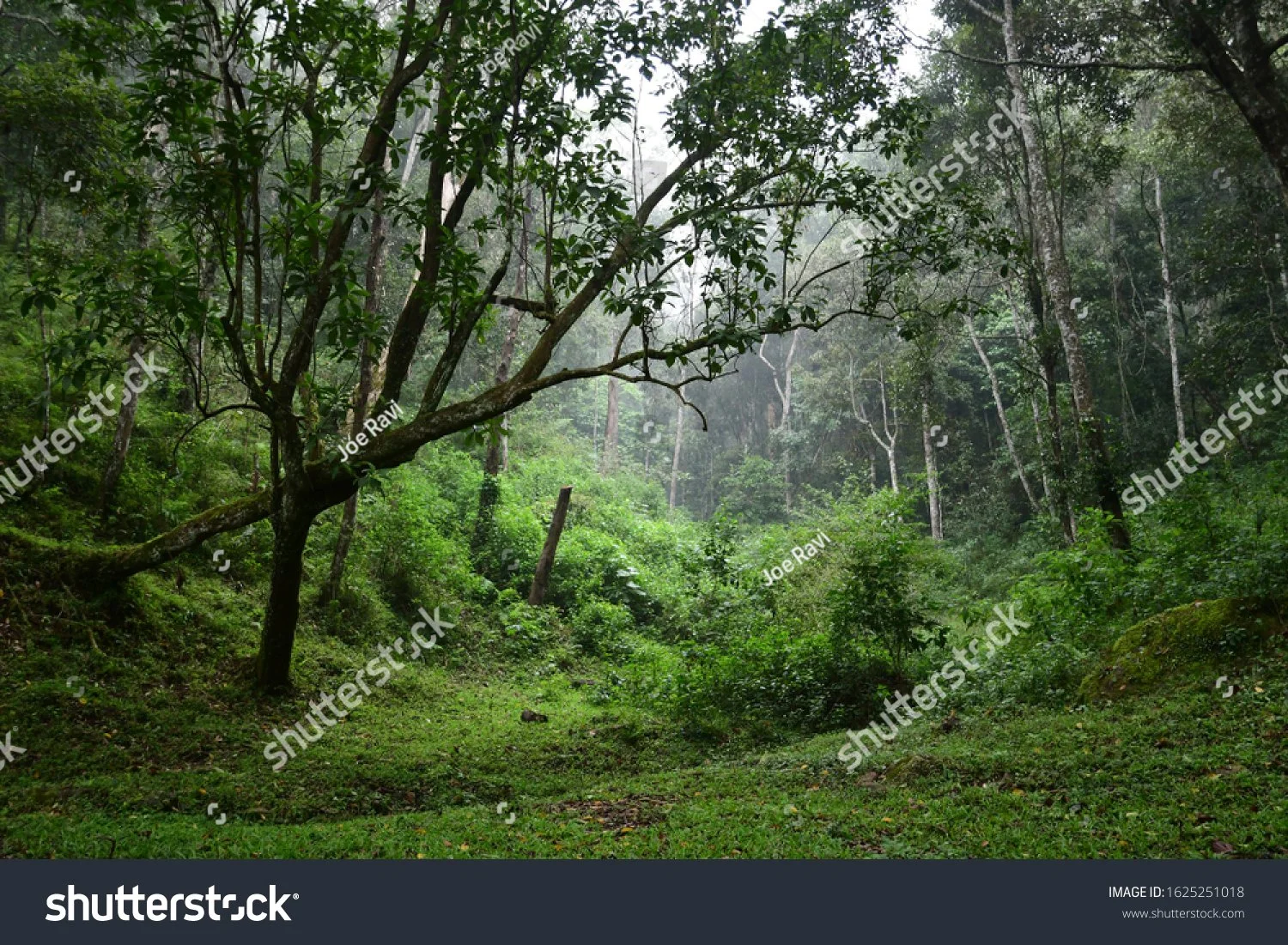
Idukki Wildlife Sanctuary is one of Kerala’s most scenic and ecologically rich protected areas, located in the heart of Idukki district. Established in 1976, the sanctuary surrounds the famous Idukki Reservoir, formed by the Idukki, Cheruthoni, and Kulamavu dams. The landscape is characterized by forested hills, tranquil waters, and rich biodiversity, offering visitors a peaceful nature experience.
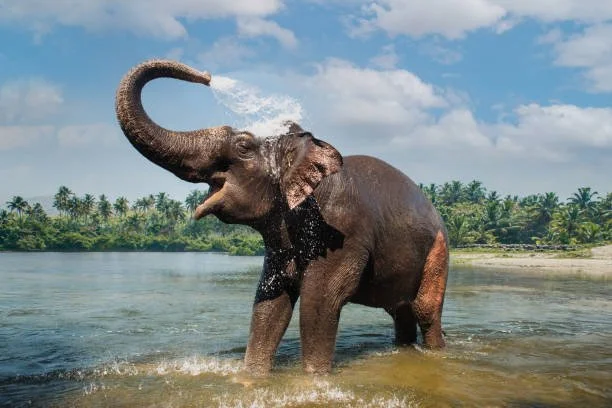
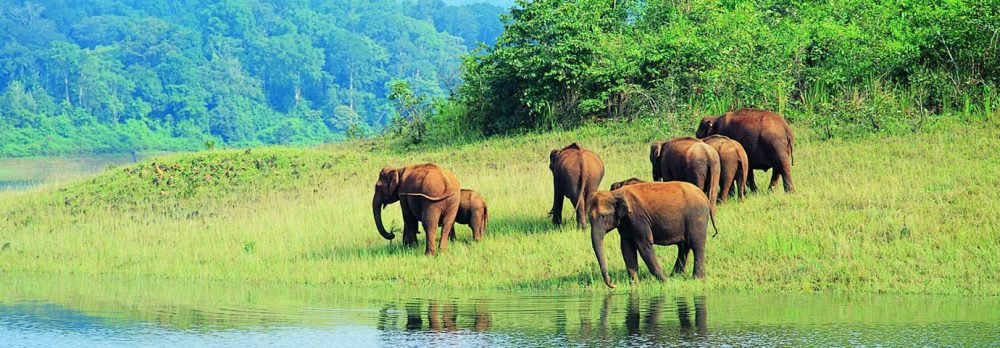
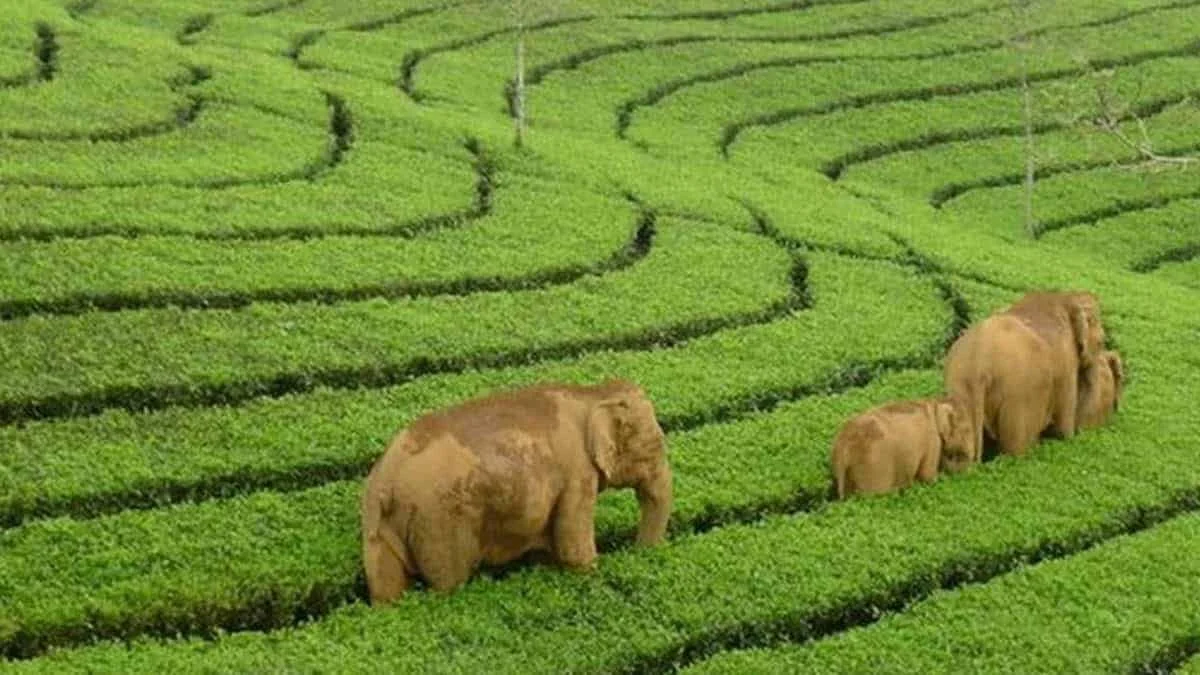
The sanctuary features a mix of tropical evergreen, semi-evergreen, and deciduous forests, supporting a wide variety of wildlife. Commonly sighted animals include Asian elephants, sambar deer, barking deer, wild boar, and jungle cats, along with diverse bird species such as hornbills, kingfishers, and woodpeckers. The calm surroundings and scenic beauty make it an ideal destination for nature lovers, wildlife enthusiasts, and eco-tourism travelers.
Idukki district is one of Kerala’s most ecologically rich regions, home to several wildlife sanctuaries and national parks that preserve a wide variety of flora and fauna. The region offers a unique mix of evergreen forests, grasslands, sholas, and riverine ecosystems, making it a hotspot for wildlife tourism and eco-tourism.
1. Idukki Wildlife Sanctuary
Location: Around Idukki Reservoir, Idukki district
Highlights: Tropical evergreen and semi-evergreen forests; sightings of elephants, sambar deer, wild boar, and diverse bird species
Activities: Wildlife observation, nature walks, scenic landscapes
2. Periyar Wildlife Sanctuary (Periyar Tiger Reserve)
Location: Thekkady, Idukki
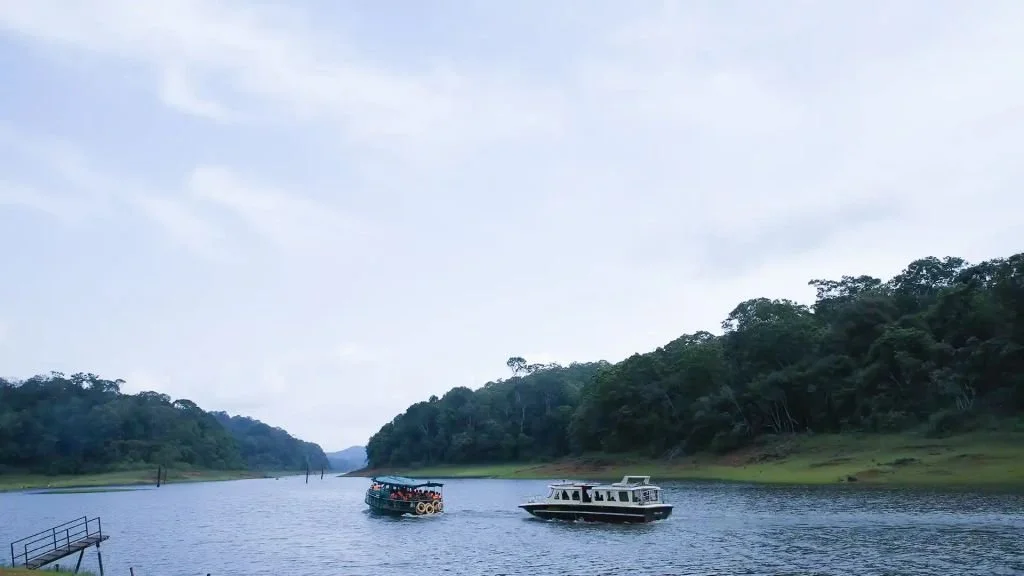
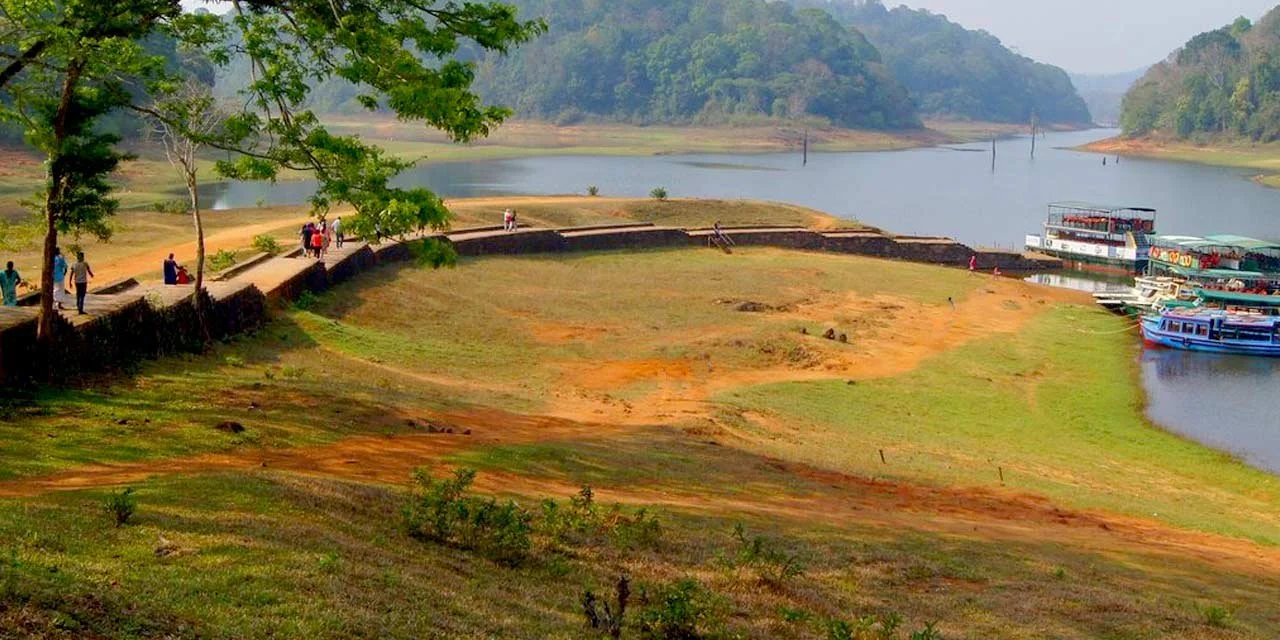
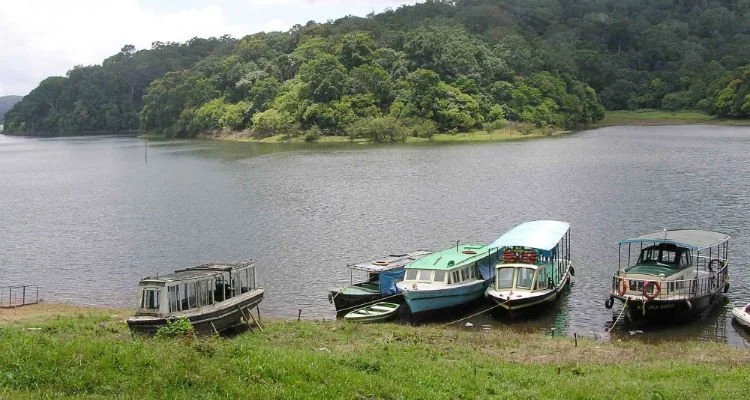
Highlights: Famous for Asian elephants, tigers, leopards, and the Periyar Lake
Activities: Boat cruises, wildlife spotting, guided forest tours
3. Chinnar Wildlife Sanctuary
Location: Near Munnar, Idukki
Highlights: Dry deciduous forests; home to grizzled giant squirrels, elephants, and leopards
Activities: Trekking, river exploration, wildlife observation
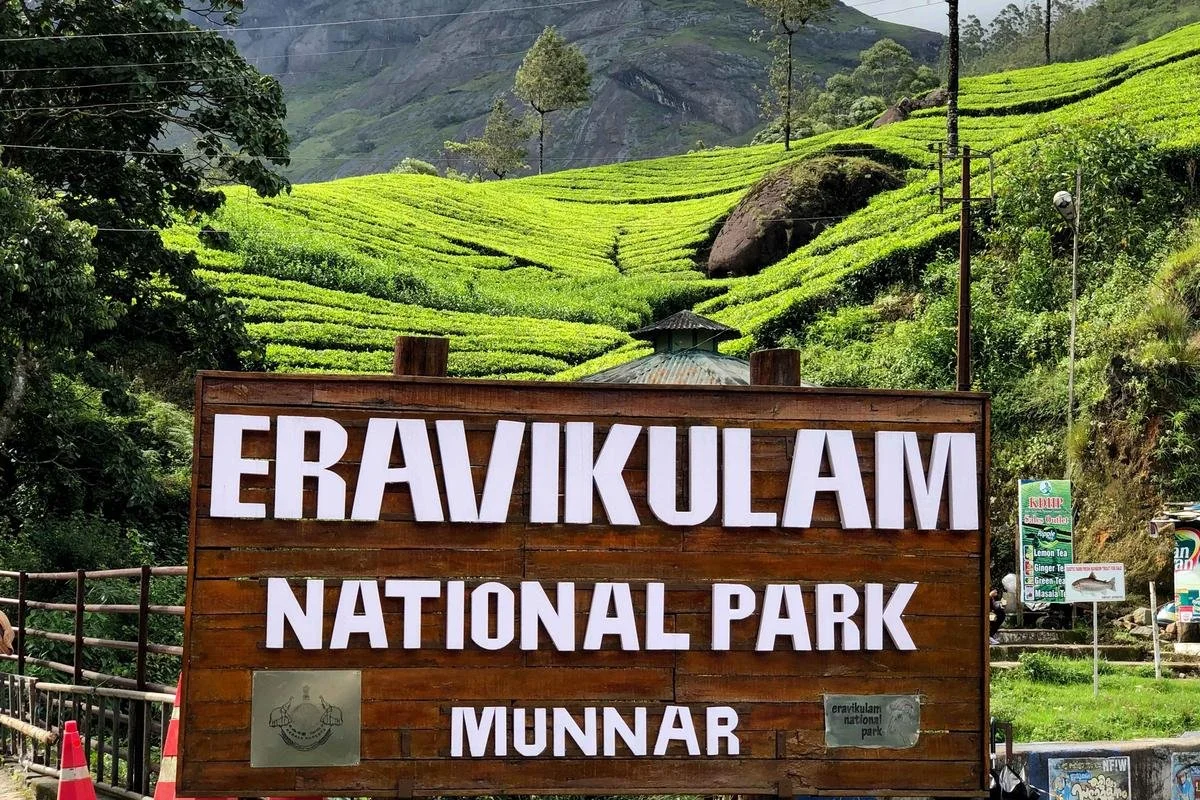
4. Eravikulam National Park
Location: Munnar, Idukki
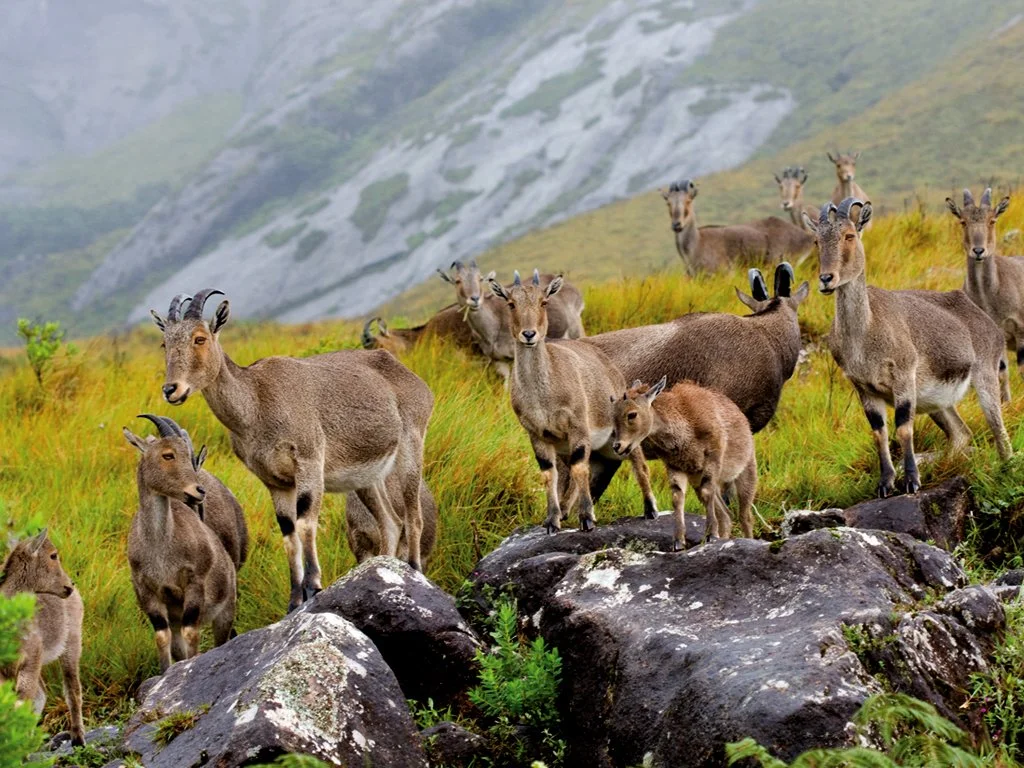
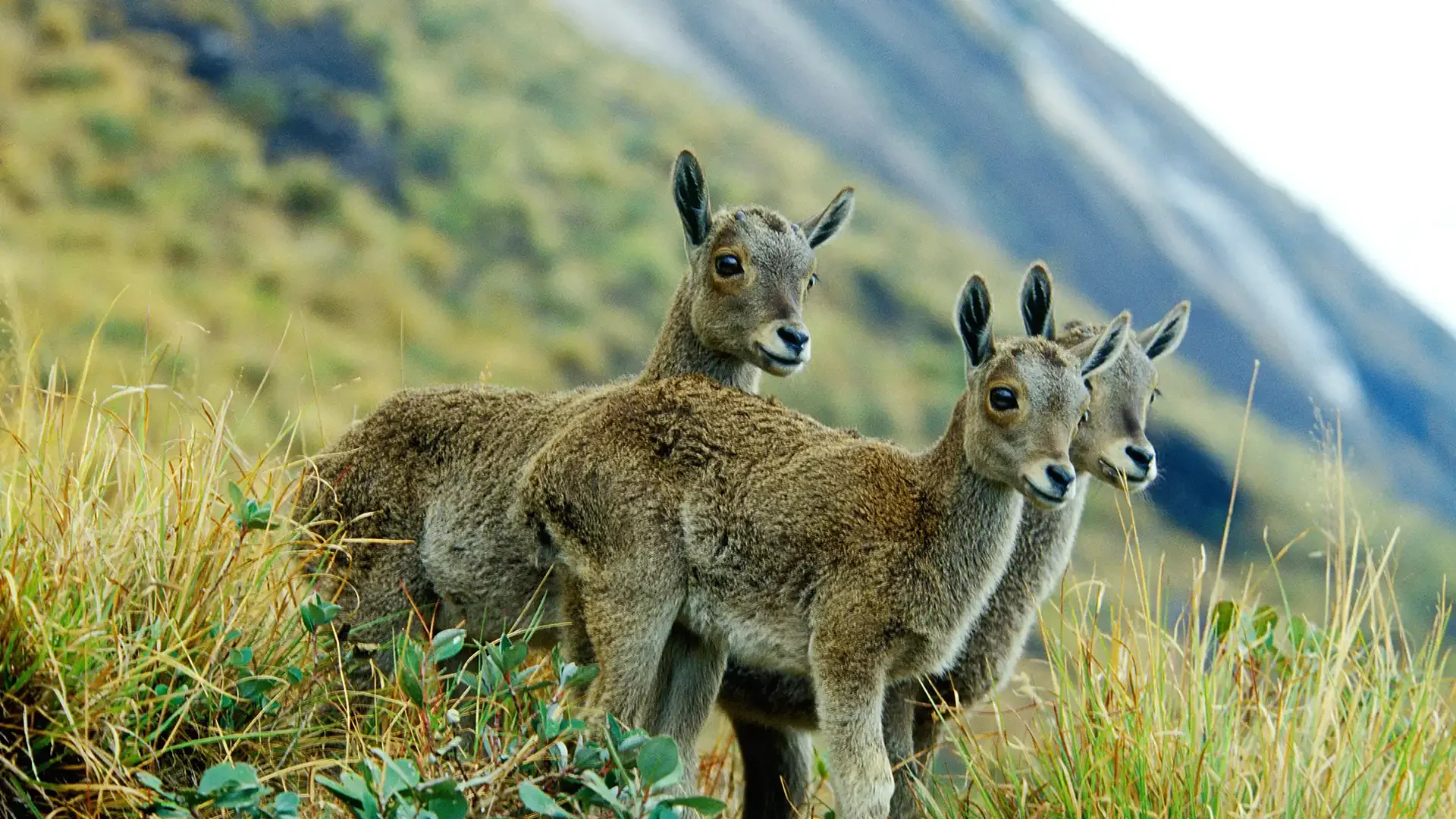
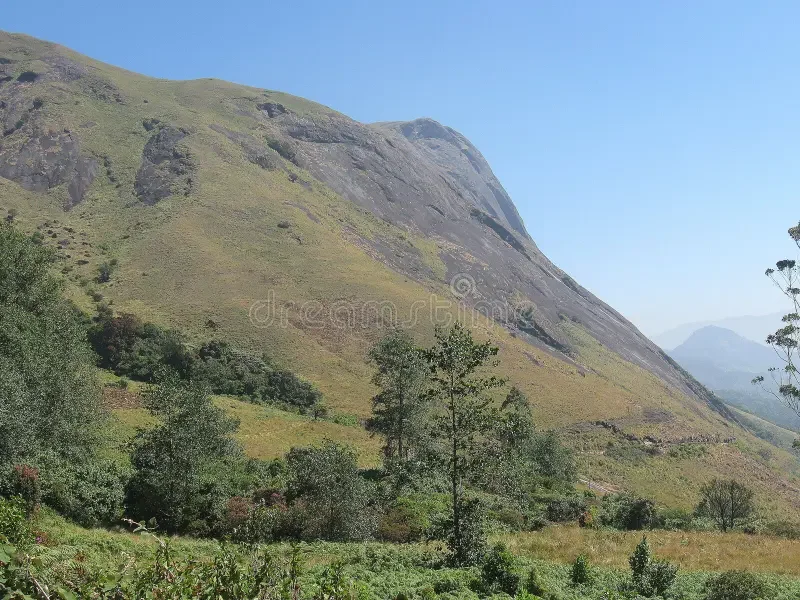
Highlights: Habitat of the endangered Nilgiri Tahr, rolling grasslands, and Anamudi Peak, the highest in South India
Activities: Trekking, photography, eco-tourism
5. Anamudi Shola National Park
Location: Near Eravikulam, Idukki
Highlights: Montane evergreen shola forests, endemic flora and fauna
Activities: Birdwatching, guided nature walks
6. Mathikettan Shola National Park
Location: Near Munnar, Idukki
Highlights: Shola forests that act as a biodiversity corridor; home to elephants and endemic species
Activities: Trekking, wildlife observation, eco-tourism
Idukki district offers an unparalleled opportunity for travelers to explore Kerala’s rich biodiversity, from dense forests and wildlife sanctuaries to serene lakes and hilltop vistas, making it a perfect destination for nature enthusiasts and eco-tourists.
Distance from Mundakayam
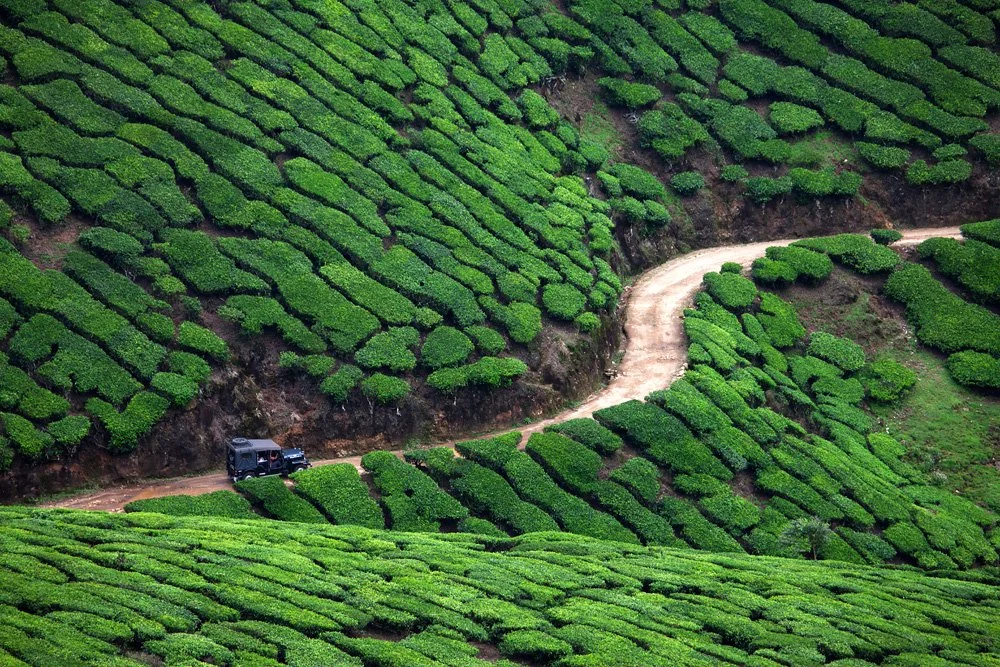
Idukki Wildlife Sanctuary is located approximately 84 kilometers from Mundakayam. The journey by road takes around 1.5 to 2 hours, depending on traffic and weather conditions. The route passes through scenic hill roads, tea plantations, and forested landscapes, making the travel experience enjoyable and memorable.
PERIYAR WILDLIFE SANCTUARY
Munnar – The Queen of Hill Stations
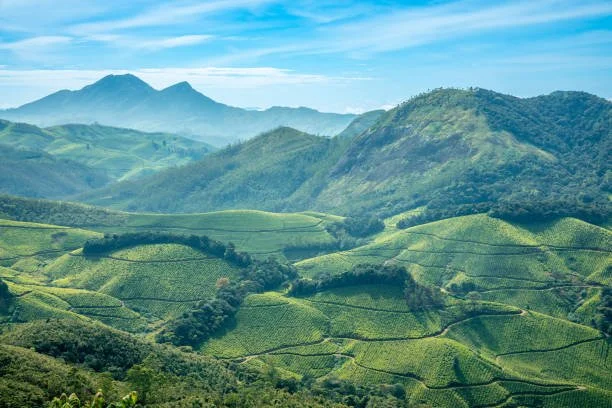
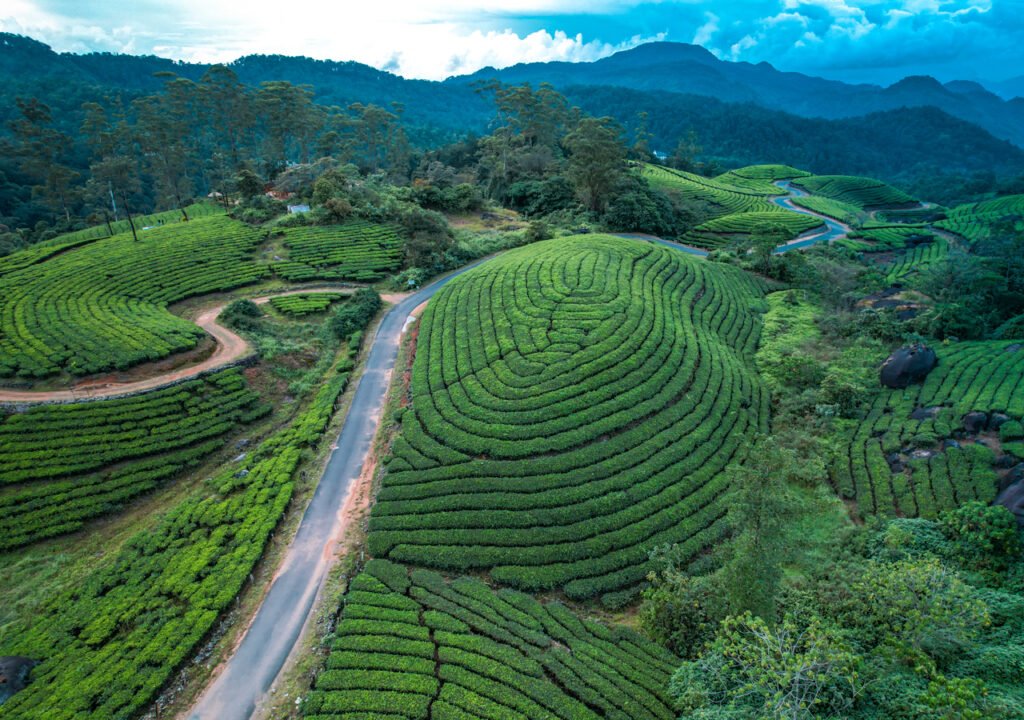
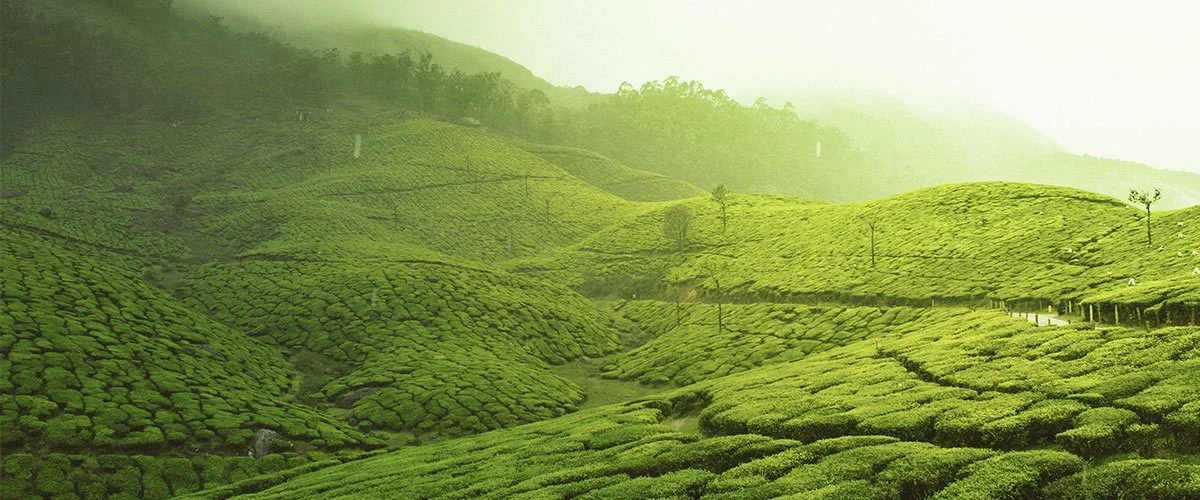
Munnar, located in Idukki district, Kerala, is a serene hill station set amidst the Western Ghats, often called the "Kashmir of South India." Situated at an elevation of approximately 1,500 meters above sea level, Munnar is famous for its rolling tea plantations, misty valleys, and rich biodiversity. The town offers a perfect blend of natural beauty, adventure, and cultural heritage, making it a sought-after destination for travelers from across the world.
Natural Beauty
Munnar is surrounded by lush green hills, meandering streams, and tranquil waterfalls. The region’s unique topography creates a cool and pleasant climate throughout the year, ideal for leisure, trekking, and nature photography. Some of the notable natural attractions include:
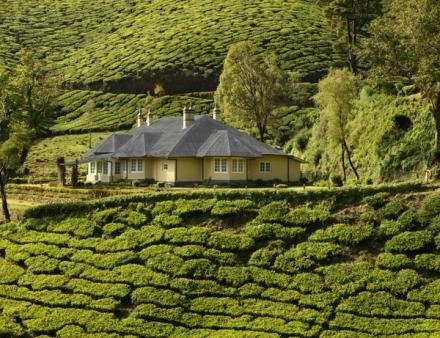
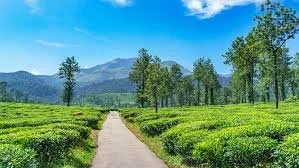
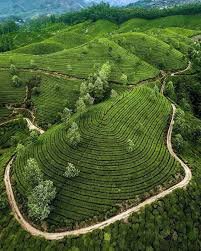
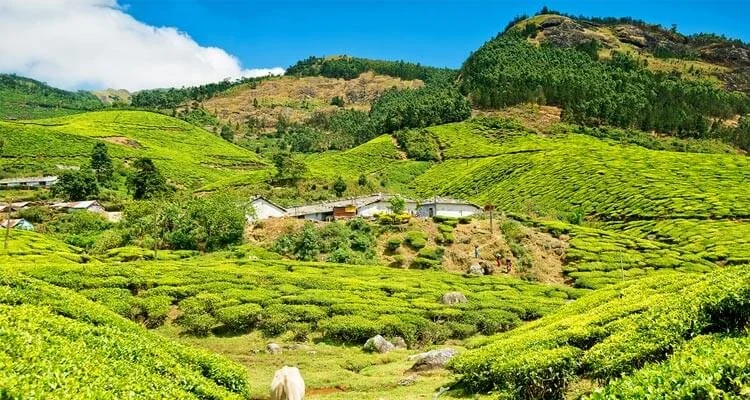
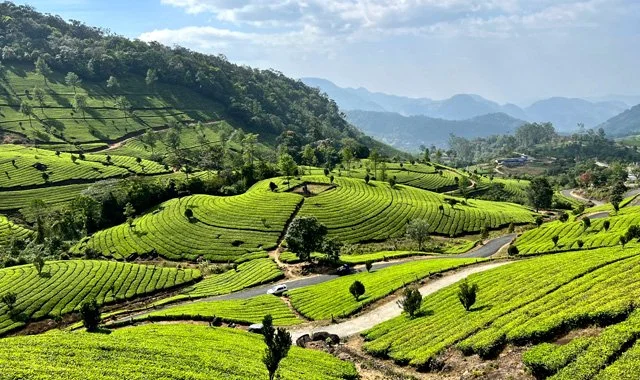
Tea Gardens: Expansive plantations with scenic views and guided tours.
Eravikulam National Park: Home to the endangered Nilgiri Tahr and Anamudi Peak, the tallest peak in South India.
Waterfalls: Famous waterfalls like Attukal, Lakkam, and Nyayamakad.
Lakes & Reservoirs: Kundala Lake and Mattupetty Dam are popular for boating and picnics.
Wildlife & Biodiversity
Munnar’s surrounding forests are part of the Western Ghats UNESCO World Heritage site and host a variety of flora and fauna:
Wildlife: Elephants, leopards, tigers (rare), Nilgiri Tahr, sambar deer, and langurs.
Birds: Hornbills, Malabar whistling thrush, kingfishers, and many endemic species.
Flora: Shola forests, medicinal plants, spices, and flowering shrubs.
Adventure & Activities
Munnar offers multiple outdoor activities for travelers:
Trekking & Nature Walks: Routes through hills, shola forests, and tea estates.
Boating: Kundala and Mattupetty lakes offer peaceful boating experiences.
Photography & Eco-tourism: Perfect for landscape and wildlife photography.
Cultural & Historical Significance
Munnar has a rich colonial history as a major tea-growing region developed during the British era. It also features local Kerala culture, traditional villages, and spice plantations, giving visitors a glimpse of authentic rural life.
Accessibility
By Road: 110 km from Kottayam, 140 km from Cochin
By Rail: Nearest station at Kottayam (~110 km)
By Air: Cochin International Airport (~140 km)
Best Time to Visit
October to March: Pleasant weather and clear skies for sightseeing
April to June: Lush greenery and ideal for trekking
Monsoon (July to September): Scenic waterfalls but may restrict outdoor activities
Munnar is truly a paradise for nature lovers, adventure enthusiasts, and photographers, offering a serene escape amidst the breathtaking hills of Kerala.
Eravikulam Wildlife Sanctuary
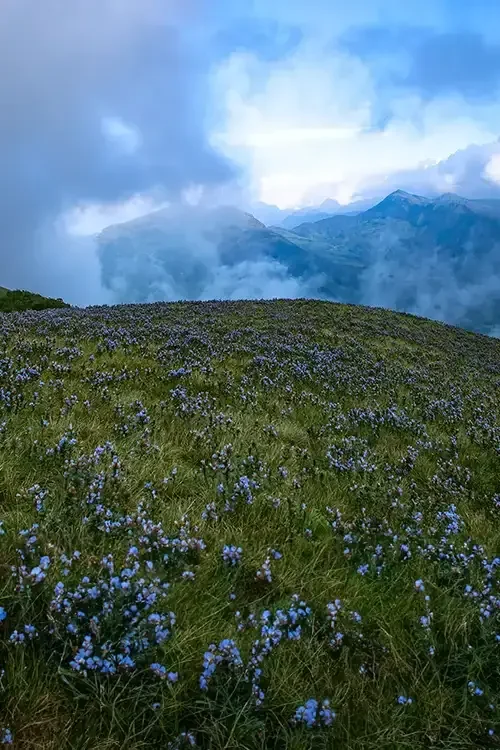
Eravikulam Wildlife Sanctuary, located near Munnar in Idukki district, Kerala, is a protected area nestled in the Western Ghats. Spread over approximately 97 km², it is renowned for its rolling grasslands, shola forests, and unique wildlife, making it a must-visit destination for nature lovers and wildlife enthusiasts.
Highlights
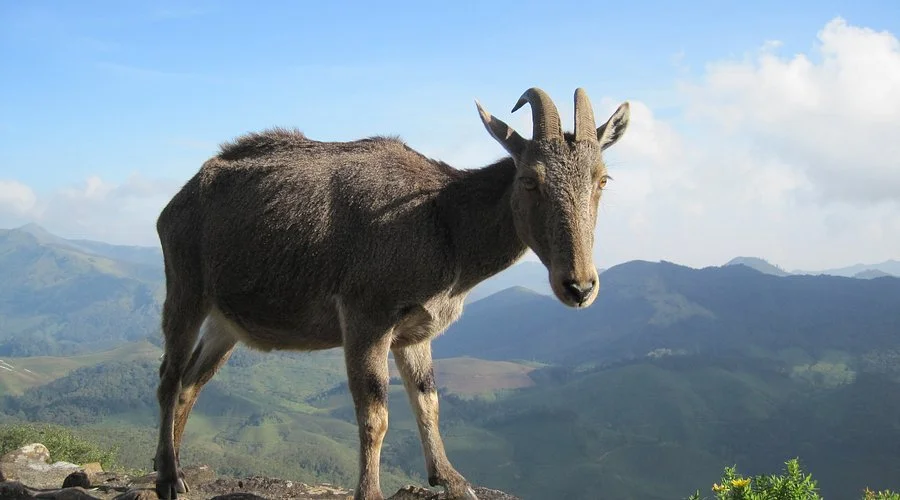
Endangered Species: The sanctuary is famous as the natural habitat of the Nilgiri Tahr, a rare mountain goat endemic to the Western Ghats.
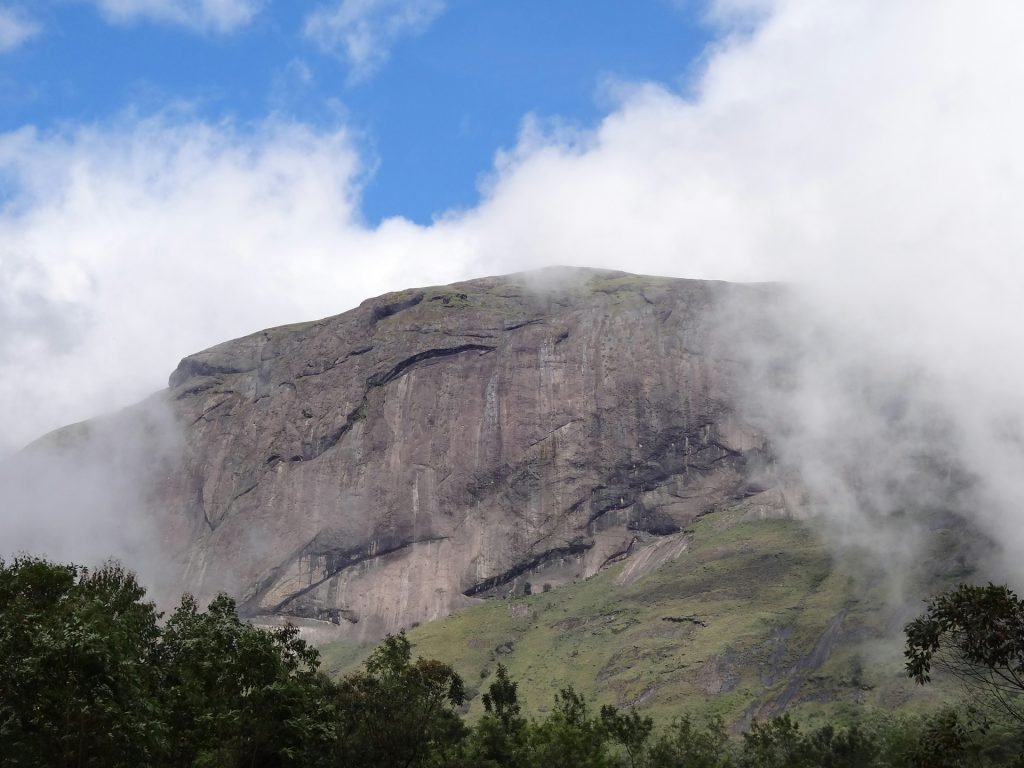
Anamudi Peak: The sanctuary is home to Anamudi, the highest peak in South India, offering breathtaking panoramic views.
Flora & Fauna:
Flora: Shola forests, grasslands, wildflowers, and medicinal plants
Fauna: Nilgiri Tahr, elephants, leopards, deer, and numerous bird species such as Malabar Whistling Thrush and kingfishers
Activities
Trekking & Nature Walks: Well-marked trails leading through grasslands and forest patches
Wildlife Viewing: Spotting Nilgiri Tahr and other endemic species in their natural habitat
Photography: Ideal for landscape and wildlife photography
Accessibility
Location: About 9 km from Munnar town, easily accessible by road
Nearest Railway Station: Kottayam (~110 km)
Nearest Airport: Cochin International Airport (~140 km)
Best Time to Visit
December to March: Clear skies and comfortable weather for trekking and sightseeing
April to June: Blooming wildflowers and lush green landscapes
Eravikulam Wildlife Sanctuary is a paradise for eco-tourists, offering a blend of mountain landscapes, unique wildlife, and serene natural beauty, making it one of Kerala’s most iconic hill stations and wildlife destinations.



 Give Feedback