
VAGAMON
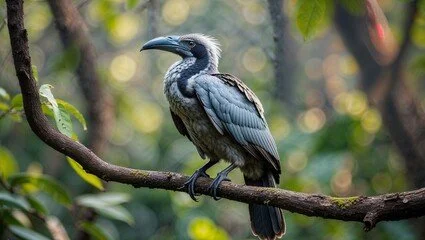
Vagamon – A Tranquil Hill Retreat in Kerala
Vagamon is a picturesque hill station located in the Idukki district of Kerala, situated at an elevation of about 1,100 meters above sea level. Known for its cool climate, lush green landscapes, and mist-covered hills, Vagamon is a peaceful destination that offers a refreshing escape from busy city life. The region is characterized by rolling grasslands, pine forests, tea plantations, and deep valleys that create a breathtaking natural panorama throughout the year.
Unlike many crowded hill stations, Vagamon retains its untouched charm and calm atmosphere, making it ideal for travelers seeking relaxation, solitude, and a close connection with nature. The area is also a haven for adventure enthusiasts, offering activities such as trekking, paragliding, rock climbing, and nature walks. Popular attractions like Vagamon Meadows, Pine Forest, Kurisumala, Murugan Hills, and Thangal Para add cultural and spiritual significance to the destination.
Vagamon’s pleasant weather, scenic viewpoints, and rich biodiversity make it a perfect location for eco-tourism, family vacations, honeymoon stays, and wellness retreats. With its unique blend of natural beauty, adventure, and serenity, Vagamon stands as one of Kerala’s most charming and lesser-explored hill destinations.
HISTORY
Kottayam literally means the interior of a fort – Kotta + Akam. Rulers of Munjanad and Thekkumkur had their headquarters at Thazhathangadi in the present Kottayam town. Marthanda Varma of Travancore attacked Thekkumkur and destroyed the palace and the Thaliyil fort. The remnants of the palaces and forts are still seen here.
The present Kottayam district was previously a part of the erstwhile princely state of Travancore. Earlier, the Travancore state consisted of two revenue divisions viz. the southern and northern divisions, under the administrative control of a ‘Diwan Peshkar’ for each. Later in 1868 two more divisions Quilon (Kollam) and Kottayam were constituted. The fifth division Devikulam came next but only for a short period, which in course of time, was added to Kottayam. At the time of the integration of the State of Travancore and Cochin (Kochi) in 1949, these revenue divisions were renamed as districts and the Diwan peshkars gave way to District Collectors, paving the way for the birth of the Kottayam District in July 1949.
Kottayam has played its role in all the political agitations of modern times. The ‘Malayali Memorial ‘ agitation may be said to have had its origin in Kottayam. The Malayali Memorial sought to secure better representation for educated Travancoreans in the Travancore civil service against persons from outside. The Memorial, which was presented to the Maharaja Sri Moolam Thirunal (1891) was drafted at a public meeting held in the Kottayam Public Library. The event marked the beginning of the modern political movement in the State.
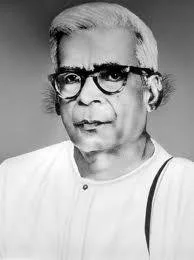
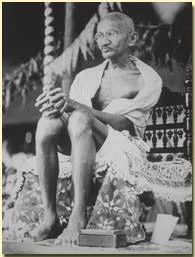
It was here that the famous Vaikom Satyagraha (1924-25), an epic struggle for eradication of untouchability, took place. Scheduled castes and other backward classes in Travancore were denied not only entry into temples, but also access to temple roads. Vaikom, the seat of a celebrated Siva Temple, was the venue of the symbolic satyagraha. It is of immense historic significance that national leaders like Mahatma Gandhi, C. Rajagopalachari, Acharya Vinoba Bhave and E.V. Ramswami Naykar, associated with this struggle.
The ‘ Nivarthana ‘ agitation of the early thirties, to secure adequate representation for the non-caste Hindus, Christians and Muslims in the State Legislature, enjoyed considerable support from this district.
The district was also a centre of the agitation led by the State Congress for responsible Government in Travancore. The agitation had a triumphant end, with the overthrow of Sir. C.P. Ramaswami Iyer, the then Dewan of Travancore.
 Give Feedback